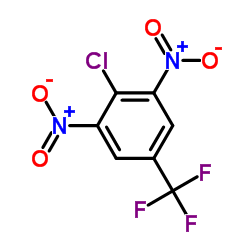

N, N, 2-Trimethylaniline N, N-Dimethyl-O-Toluidine CAS 609-72-3

Product Description
Product Description
Basic Information
- Product Name: N,N-Dimethyl-o-toluidine
- Alias: 2-Methyl-N,N-dimethylaniline; o-Toluidine, N,N-dimethyl-
- CAS Number: 613-69-4
- Molecular Formula: C9H13N
- Molecular Weight: 135.21 g/mol
Physical Properties
- Appearance and State:
- Colorless to light yellow oily liquid at room temperature, may darken upon exposure to air or light.
- Melting/Boiling Point:
- Melting point: -17 °C
- Boiling point: 211-213 °C (at atmospheric pressure), distills under reduced pressure.
- Solubility:
- Insoluble in water; highly soluble in organic solvents such as ethanol, diethyl ether, benzene, and chloroform.
- Density: 0.96 g/cm³ (25 °C)
- Refractive Index: 1.553 (20 °C)
- Vapor Pressure: 0.13 mmHg (25 °C)
Chemical Properties
- Amine Reactivity:
- As a tertiary aromatic amine, it exhibits weak basicity (pKb ≈ 9.5), reacting with strong acids to form water-soluble salts (e.g., hydrochloride).
- Electrophilic Substitution:
- The dimethylamino group (-N(CH3)2) is an electron-donating group, activating the benzene ring for ortho- and para-substitution reactions (e.g., nitration, halogenation).
- Oxidation:
- Easily oxidized by strong oxidants (e.g., potassium dichromate) to form quinone imine derivatives, which may cause color changes.
- Condensation Reactions:
- Reacts with aldehydes or ketones to form Schiff bases, or with acid chlorides to produce amides.
Applications
Chemical Industry
- Polymerization Catalyst:
- Used as an accelerator in curing systems for unsaturated polyester resins (e.g., in combination with organic peroxides like MEKP for room-temperature curing of fiberglass composites).
- Organic Synthesis Intermediate:
- Synthesizes dyes (e.g., azo dyes, basic dyes), pharmaceuticals (e.g., antihistamines), and agricultural chemicals (e.g., herbicides).
- Solvent and Additive:
- Acts as a solvent for resins, coatings, or inks; functions as a corrosion inhibitor in petroleum processing.
Laboratory and Research
- Reagent:
- Used in organic synthesis reactions (e.g., as a base or nucleophile) and in analytical chemistry for colorimetric assays.
Safety and Storage
Health Hazards
- Toxicity:
- Carcinogenicity: Possibly carcinogenic (IARC Group 3: Unclassifiable as to carcinogenicity in humans, but animal studies show limited evidence).
- Exposure Routes:
- Skin Contact: Highly toxic; absorbed through skin, causing methemoglobinemia (reduced oxygen-carrying capacity of blood), leading to cyanosis, headache, and dizziness.
- Inhalation: Vapors irritate the respiratory tract; may cause similar systemic effects as skin exposure.
- Ingestion: Causes nausea, vomiting, and damage to the liver and kidneys.
- Irritation:
- Irritates eyes and skin; prolonged contact may cause dermatitis.
Environmental Impact and Storage
- Environmental Impact:
- Toxic to aquatic life; may bioaccumulate and persist in the environment. Avoid release into water, soil, or air.
- Storage Conditions:
- Store in a cool, dark, ventilated place, sealed in airtight containers to prevent oxidation and vapor leakage.
- Keep away from ignition sources (flash point: 85 °C, flammable liquid) and incompatible substances (oxidants, acids, halogens).
- Use explosion-proof storage equipment; containers should be made of stainless steel or glass.
Emergency Handling
- Leakage:
- Evacuate the area; wear protective gear (respirator, chemical-resistant suit) to contain spills with sand or absorbents. Transfer to sealed containers for disposal.
- Firefighting:
- Use dry powder, carbon dioxide, or foam extinguishers; water may be ineffective but can cool containers.
- First Aid:
- Skin/Eyes: Rinse with plenty of water for 15 minutes; remove contaminated clothing.
- Inhalation: Move to fresh air; provide oxygen if breathing is difficult.
- Ingestion: Do not induce vomiting; drink water and seek medical help immediately.
Product Description
Product DescriptionBasic Information
- Product Name: N,N-Dimethyl-o-toluidine
- Alias: 2-Methyl-N,N-dimethylaniline; o-Toluidine, N,N-dimethyl-
- CAS Number: 613-69-4
- Molecular Formula: C9H13N
- Molecular Weight: 135.21 g/mol
Physical Properties
- Appearance and State:
- Colorless to light yellow oily liquid at room temperature, may darken upon exposure to air or light.
- Melting/Boiling Point:
- Melting point: -17 °C
- Boiling point: 211-213 °C (at atmospheric pressure), distills under reduced pressure.
- Solubility:
- Insoluble in water; highly soluble in organic solvents such as ethanol, diethyl ether, benzene, and chloroform.
- Density: 0.96 g/cm³ (25 °C)
- Refractive Index: 1.553 (20 °C)
- Vapor Pressure: 0.13 mmHg (25 °C)
Chemical Properties
- Amine Reactivity:
- As a tertiary aromatic amine, it exhibits weak basicity (pKb ≈ 9.5), reacting with strong acids to form water-soluble salts (e.g., hydrochloride).
- Electrophilic Substitution:
- The dimethylamino group (-N(CH3)2) is an electron-donating group, activating the benzene ring for ortho- and para-substitution reactions (e.g., nitration, halogenation).
- Oxidation:
- Easily oxidized by strong oxidants (e.g., potassium dichromate) to form quinone imine derivatives, which may cause color changes.
- Condensation Reactions:
- Reacts with aldehydes or ketones to form Schiff bases, or with acid chlorides to produce amides.
Applications
Chemical Industry- Polymerization Catalyst:
- Used as an accelerator in curing systems for unsaturated polyester resins (e.g., in combination with organic peroxides like MEKP for room-temperature curing of fiberglass composites).
- Organic Synthesis Intermediate:
- Synthesizes dyes (e.g., azo dyes, basic dyes), pharmaceuticals (e.g., antihistamines), and agricultural chemicals (e.g., herbicides).
- Solvent and Additive:
- Acts as a solvent for resins, coatings, or inks; functions as a corrosion inhibitor in petroleum processing.
Laboratory and Research
- Reagent:
- Used in organic synthesis reactions (e.g., as a base or nucleophile) and in analytical chemistry for colorimetric assays.
Safety and Storage
Health Hazards- Toxicity:
- Carcinogenicity: Possibly carcinogenic (IARC Group 3: Unclassifiable as to carcinogenicity in humans, but animal studies show limited evidence).
- Exposure Routes:
- Skin Contact: Highly toxic; absorbed through skin, causing methemoglobinemia (reduced oxygen-carrying capacity of blood), leading to cyanosis, headache, and dizziness.
- Inhalation: Vapors irritate the respiratory tract; may cause similar systemic effects as skin exposure.
- Ingestion: Causes nausea, vomiting, and damage to the liver and kidneys.
- Irritation:
- Irritates eyes and skin; prolonged contact may cause dermatitis.
Environmental Impact and Storage
- Environmental Impact:
- Toxic to aquatic life; may bioaccumulate and persist in the environment. Avoid release into water, soil, or air.
- Storage Conditions:
- Store in a cool, dark, ventilated place, sealed in airtight containers to prevent oxidation and vapor leakage.
- Keep away from ignition sources (flash point: 85 °C, flammable liquid) and incompatible substances (oxidants, acids, halogens).
- Use explosion-proof storage equipment; containers should be made of stainless steel or glass.
Emergency Handling
- Leakage:
- Evacuate the area; wear protective gear (respirator, chemical-resistant suit) to contain spills with sand or absorbents. Transfer to sealed containers for disposal.
- Firefighting:
- Use dry powder, carbon dioxide, or foam extinguishers; water may be ineffective but can cool containers.
- First Aid:
- Skin/Eyes: Rinse with plenty of water for 15 minutes; remove contaminated clothing.
- Inhalation: Move to fresh air; provide oxygen if breathing is difficult.
- Ingestion: Do not induce vomiting; drink water and seek medical help immediately.
Product Parameters
 Packaging & Shipping
Liquid products Drum of 5kg ,10 kg ,25 kg ,50 kg 200 kg ,250 kg . 1000 kg IBC drum. TANK with 20 tons ,25 tons . Solid products Bag of 1 kg ,2 kg ,5 kg ,25 kg ,500kg ,1000 kg . Drum of 25 kg and 50 kg. Packaging can be customized according to customer requirements.
Product Parameters
Packaging & Shipping
| Liquid products | Drum of 5kg ,10 kg ,25 kg ,50 kg 200 kg ,250 kg . 1000 kg IBC drum. TANK with 20 tons ,25 tons . |
| Solid products | Bag of 1 kg ,2 kg ,5 kg ,25 kg ,500kg ,1000 kg . Drum of 25 kg and 50 kg. |
Packaging can be customized according to customer requirements.
| MIT-IVYINDUSTRYCO.,LTD Athena whatapp/phone 008613805212761 email :ceo@mit-ivy.com welcome to vist our factory. sample is free MIT-IVYINDUSTRYCO.,LTD is located in the Chemical Industry Park,69 Guouang Road, Xuzhou City,Jiangsu Province.It mainly produces N- aniline products,including dye intermediates,rubber additives,oil additives and other products. Our company adheres to the principle of”win-win”,the coordinated development of economic benefits,environmental benefits and social benefits,the combination of production and scientific research,and constantly improves the process and launches new products to meet user needs |
|
| N,N’-Dimethylaminopropyl N-ethylcarbodiimide hydrochloride | 25952-53-8 |
| N,N-Dimethylethylamine | 598-56-1 |
| N,N-Diethylformamide | 617-84-5 |
| N,N-Dimethylhydroxylamine (DEHA) | 3710-84-7 |
| N-Benzyl-N,N-dimethyltetradecan-1-aminium chloride | 139-08-2 |
| N,N,N’,N’-Tetramethyldipropylenetriamine | 6711-48-4 |
| N,N,N’-trimethylamino-N’-ethylethanolamine | 2212-32-0 |
| N,N”’-1,6-Hexanediylbis(N’-cyanoguanidine) | 15894-70-9 |
| 4-Methyl-N,N-diphenylaniline | 4316-53-4 |
| N,N-Bis(3-aminopropyl)dodecylamine | 2372-82-9 |
| N,N,N’,N’-Tetramethyl-p-phenylenediamine dihydrochloride | 637-01-4 |
| N,N-Diethylthiocarbamate silver | 1470-61-7 |
| N,N-Dimethyltetradecan-1-amine | 112-75-4 |
| N,N-Dimethylpropionamide | 758-96-3 |
| N,N-Dimethylcyclohexylamine DMCHA | 98-94-2 |
| N,N,N’,N’-Tetramethyl-1,6-diamino hexane | 111-18-2 |
| N,N,2-Trimethylaniline | 609-72-3 |
| Bis2-(N,N-dimethylamino)ethylether | 3033-62-3 |
| n-Butyl methacrylate (n-BUMA) | 97-88-1 |
| N-(Hydroxymethyl)acrylamide; NMA | 924-42-5 |
| N,N-Dimethylacrylamide; DMAA | 2680-03-7。 |
| N,N-dimethyldocosylamine | 21542-96-1 |
| N-methyldidodecylamine | 2915-90-4 |
| N-3-Laurylamidopropyl dimethylamine | 3179-80-4 |
| N-3-(Hydrogenated cocoamido)propyl dimethylamines | 288095-05-6 |
| N-3-Oleylamidopropyl dimethylamine | 109-28-4 |
| N-3-Erucylamidopropyl dimethylamine | 60270-33-9 |
| N-Oleyl 1,3-propanediamine | 7173-62-8 |
| N-tallow alkyltripropylenetetra | 68911-79-5 |
| N-3-(isodecyloxy)propylpropane-1,3-diamine | 72162-46-0 |
| N-Methyldiethanolamine | 105-59-9 |
| N,N-Dimethylethanolamine | 108-01-1 |
| N,N’-4,4′-Diphenylene-Bismalemide | 13676-54-5 |
| N,N-Dimethyl-n-octylamine | 7378-99-6 |
| N,N-Dimethyldecylamine | 1120-24-7 |
| N,N-Dimethyldodecylamine | 112-18-5 |
| N,N-Dimethyloctadecylamin | 124-28-7 |
| N,N-Dimethyl-C12-14-alkylamine | 68439-70-3 |
| N-Coconut-1,3-propyl diamine | 61791-63-7 |
| N-Tallowalkyl 1,3-propanediamines DAT | 61791-55-7 |
| N-Hexadecyltrimethylammonium chloride | 112-02-7 |


Write your message here and send it to us
![[Copy] CAS NO.99-99-0 4-Nitrotoluene/High quality/Best price/In stock](https://cdn.globalso.com/mit-ivy/99-99-0.png)