



Beta naphthol
Chemical Properties:
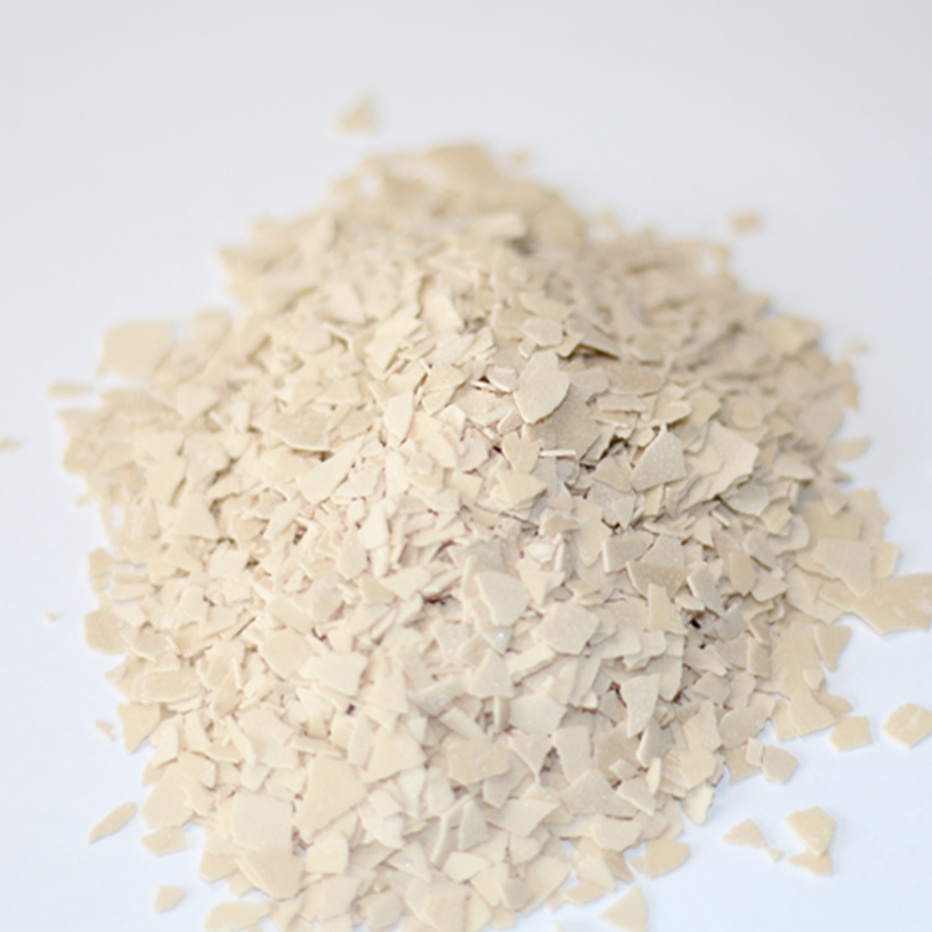
White shiny flakes or white powder. Insoluble in water, easily soluble in ethanol, ether, chloroform, glycerol and alkali solutions
Usage
Ethyl naphthol, also known as β-naphthol and 2-naphthol, is an intermediate of the plant growth regulator naphthoxyacetic acid. It is an important organic raw material and dye intermediate. It is used in the manufacture of tonic acid, butyric acid, β-naphthol-3-carboxylic acid, and used in the manufacture of antioxidants, DNP and other antioxidants, organic pigments and sterilization. Agents, etc.
The production method
It is to prepare naphthalene through sulfonation and alkali melting. The sulfonation alkali fusion method is a production method widely used at home and abroad, but it suffers from serious corrosion, high cost and high biological oxygen consumption of wastewater. The 2-cumonaphthalene method developed by American Cyanamid Company uses naphthalene and propylene Chemicalbook as raw materials. While producing 2-naphthol, acetone is produced as a by-product. This method is similar to the cumene method for producing phenol. Raw material consumption quota: refined naphthalene 1170kg/t, sulfuric acid 1080kg/t, solid caustic soda 700kg/t

2-Naphthol Chemical Properties
CAS No. 135-19-3
Molecular formula C10H8O
Molecular weight 144.17
EINECS No. 205-182-7
Melting point 120-122°C (lit.)
Boiling point 285-286°C (lit.)
Density 1,28g/cm3
Refractive index 1.5762 (estimate)
Flash point 153 °C
storage conditionsStorebelow+30°C.
Contact Information
MIT-IVY INDUSTRY CO.,LTD
Chemical Industry Park, 69 Guozhuang Road, Yunlong District, Xuzhou City, Jiangsu Province, China 221100
TEL: 0086- 15252035038 FAX:0086-0516-83666375
WHATSAPP:0086- 15252035038 EMAIL:INFO@MIT-IVY.COM PURCHASE@MIT-IVY.COM
Post time: Nov-13-2024