




Diethanolamine usually appears as a colorless transparent liquid or crystal at room temperature, and has a slight ammonia smell.
Specifically, the melting point of diethanolamine is 28℃ and the boiling point is 268.8℃. It may appear as a colorless transparent liquid at room temperature due to deliquescence and supercooling.
In addition, it is miscible with water, methanol, acetone, etc., and slightly soluble in solvents such as benzene, ether, carbon tetrachloride, and n-heptane.
Diethanolamine is an organic compound with multiple uses. It is widely used in many fields such as medicine, cosmetics, chemical industry, and gas treatment.
In the medical field, diethanolamine can be used as a topical medication to treat certain skin diseases such as eczema and psoriasis. Its mechanism of action is to reduce symptoms such as skin inflammation and itching by inhibiting inflammatory reactions and skin cell proliferation.
In the cosmetics industry, diethanolamine is often used in cosmetics such as skin care products and sunscreens because of its antioxidant, moisturizing and anti-ultraviolet effects. As an emulsifier and pH regulator, it helps products mix better and remain stable, while adjusting the pH of the product to make it more suitable for the skin.
In the chemical industry, diethanolamine is used more widely. It can be used as an acid gas absorbent to effectively absorb harmful gases such as carbon dioxide and hydrogen sulfide in the air and purify the environment. At the same time, it is also an important raw material for the synthesis of other organic compounds, such as surfactants and polymers, and is widely used in the production of detergents, polishes, lubricants, softeners, surfactants and other products. In addition, diethanolamine can also be used as an important slow-release agent for boiler water treatment and as an intermediate for the herbicide glyphosate.
In addition, diethanolamine also plays an important role in gas purification, especially in the process of natural gas and petroleum refining, for the removal of acidic gases such as carbon dioxide and hydrogen sulfide to improve gas quality. In the pesticide and pharmaceutical industries, diethanolamine, as an important intermediate, can improve the stability and effectiveness of pesticides and drugs.
In general, diethanolamine has important application value in many fields due to its unique properties and wide range of uses.
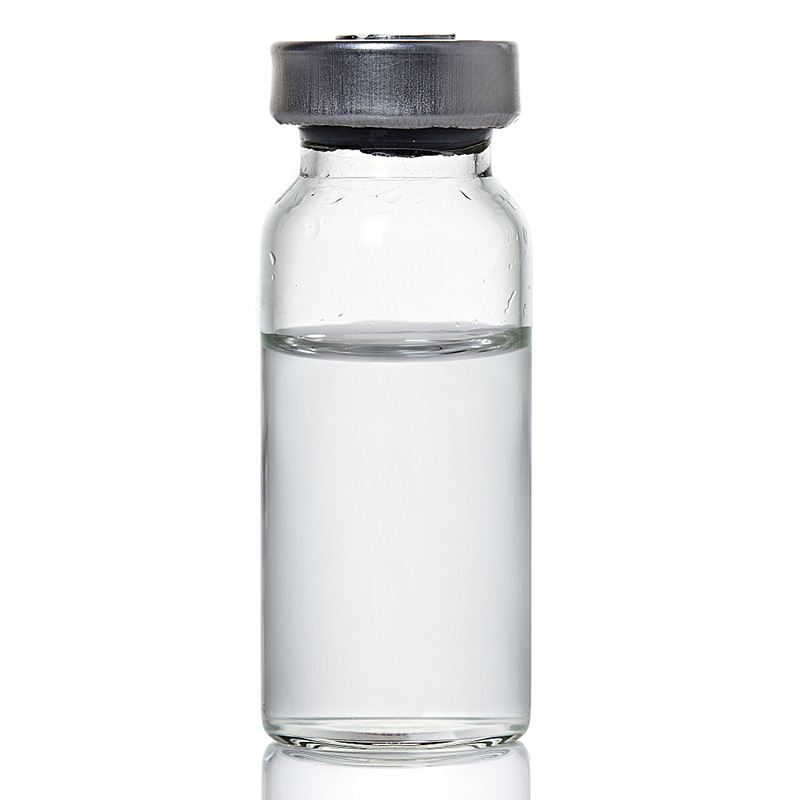
Diethanolamine Chemical Properties
Melting point 28 °C (lit.)
Boiling point 217 °C/150 mmHg (lit.)
density 1.097 g/mL at 25 °C (lit.)
vapor density 3.6 (vs air)
vapor pressure <0.98 atm ( 100 °C)
refractive index n20/D 1.477(lit.)
Fp 280 °F
storage temp. 2-8°C
solubility H2O: 1 M at 20 °C, clear, colorless
form Viscous Liquid or Low Melting Solid
Specific Gravity 1.09
color APHA: ≤15
Odor Mild ammoniacal; faint, fishy; characteristic.
PH 11.0-12.0 (25℃, 1M in H2O)
pka 8.88(at 25℃)
explosive limit 2.1-10.6%(V)
Water Solubility MISCIBLE
Sensitive Hygroscopic
λmax λ: 260 nm Amax: 0.04
λ: 280 nm Amax: 0.02
Merck 14,3107
BRN 605315
Exposure limits TLV-TWA 3 ppm (~13 mg/m3) (ACGIH).
Dielectric constant 2.8(25℃)
Contact Information
MIT-IVY INDUSTRY CO.,LTD
Chemical Industry Park, 69 Guozhuang Road, Yunlong District, Xuzhou City, Jiangsu Province, China 221100
TEL: 0086- 17363307174 FAX:0086-0516-83666375
WHATSAPP:0086- 17363307174 EMAIL: Kevin@MIT-IVY.COM
Post time: Dec-23-2024