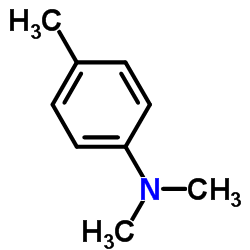

Tri(octyl/decyl) amine (TA0810) CAS No. 68814-95-9 N,N-di(octadecan-9-yl)octadecan-9-amine (TA0810)


Tri(octyl/decyl) amine (TA0810)
CAS No. 68814-95-9
Trade name: TA0810
Synonyms:
Tri(8/10) tertiary amine,
tri(octyl/decyl) alkyl tertiary amine
Properties:
Tri(octyl/decyl) amine (TA0810) can treat wastewater containing organic matter in sewage treatment plants, especially phenolic compounds and acidic organic matter containing benzene ring.
Tri(octyl/decyl) amine (TA0810) can also undergo quaternization to form quaternary ammonium salt, which is used for precious metal extraction and phase transfer catalyst, and can also be used as an extractant for pharmaceutical intermediates.
Tri(octyl/decyl) amine (TA0810) can be used as an extractant to extract precious metals such as lanthanide, nickel, cobalt, actinide, etc. in the extraction of precious metals. It is also used in the rare earth industry.
Tri(octyl/decyl) amine (TA0810) can also be used as a metal anticorrosion agent and detergent for metal surface treatment.
Specification:
| Items |
Index |
| Tertiary amine content, /% |
≥95 |
| Total amine value, mgKOH/g |
151-159 |
| Primary secondary amine, /% |
≤2 |
| Carbon chain, /% |
≥92 |
| Color APHA |
≤60 |
Package and Storage:
Tri(octyl/decyl) amine (TA0810) is packed in 160 kg/barrel; stored indoors in a cool and ventilated place, protected from moisture and exposed to the sun. The storage period is 12 months.
Safety Protection:
Tri(octyl/decyl) amine (TA0810) is a chemical synthesis intermediate material. Please avoid contact with eyes and skin during use. If there is contact, please rinse with plenty of water in time and send to a doctor for treatment.
Industry-specific attributes
Other attributes
Packaging and delivery
Properties
♦ Physical state:
Trialkylamines(N235 /7301/TAA/ALAMINE 336) are typically colorless liquids or solids at room temperature, depending on the
length and nature of the alkyl groups.
♦ Odor
Trialkylamine (N235)often have a strong, fishy odor, especially in the case of lower alkyl chain lengths.
♦ Solubility
Trialkylamines(7301) are generally soluble in organic solvents such as ethanol, methanol, and chloroform,
but their solubility in water varies depending on the alkyl groups. Smaller alkyl groups increase water
solubility, while larger alkyl groups decrease it.
♦ Basicity:
Trialkylamine are weak bases and can undergo protonation reactions. The basicity of a trialkyl amine
depends on the alkyl groups and their electron-donating or -withdrawing nature. Generally, tertiary
amines (trialkyl amines with three alkyl groups) are more basic than secondary or primary amines.
♦ Reactivity:
Trialkylamine can participate in a variety of chemical reactions. For example, they can undergo alkylation
reactions where the alkyl groups are modified or substituted. They can also react with acids to form salts,
and they can be oxidized to form amine oxides.
♦ Boiling point:
The boiling point of a trialkyl amine depends on the size and nature of the alkyl groups. Generally,
trialkyl amines with longer alkyl chains have higher boiling points due to increased intermolecular forces.
Applications
♦ Catalysts
Trialkyl amines are often used as catalysts in chemical reactions. They can facilitate reactions such as
esterification, transesterification, and Michael additions. Tertiary amines, in particular, are known for
their catalytic activity in various organic transformations.
♦ Pharmaceuticals
Trialkylamine are used in the synthesis of pharmaceutical compounds. They can be used as building
blocks or intermediates in the production of drugs, such as antihistamines, antidepressants, antivirals,
and local anesthetics.
♦ Corrosion inhibitors
Trialkylamine can be employed as corrosion inhibitors to protect metals from degradation caused by
exposure to corrosive environments. They form a protective layer on the metal surface, preventing or
reducing corrosion.
♦ Surfactants
Trialkylamine can be used as surfactants, which are compounds that lower the surface tension between
two substances. They are utilized in various applications, including detergents, emulsifiers, fabric softeners,
and foaming agents.
♦ Polymer additives
Trialkylamines can be incorporated into polymers as additives to enhance their properties. They can
improve the flexibility, adhesion, and thermal stability of polymers, making them suitable for applications
such as coatings, adhesives, and sealants.
♦ Gas treatment
Alkylated amines are utilized in gas treatment processes, such as gas sweetening and carbon dioxide (CO2)
capture. They can absorb acidic gases, like hydrogen sulfide (H2S) and CO2, from natural gas or industrial
emissions, helping to purify the gas stream.
♦ Chemical synthesis
Trialkylamine are versatile reagents in organic synthesis. They can participate in reactions like reductive
amination, acylation, and nucleophilic substitution, enabling the formation of various chemical compounds.
♦ Polymerization:
N235 can act as initiators or co-catalysts in polymerization reactions. They can facilitate the
formation of polymers through processes such as radical polymerization or coordination polymerization.
Product Process
♦ Selection of starting materials
The primary step is to choose the appropriate primary or secondary amine, which will be alkylated to form
the desired trialkyl amine. The alkylating agent, such as an alkyl halide (e.g., alkyl bromide, alkyl chloride)
or an olefin (e.g., alkene), is also selected based on the desired alkyl groups to be incorporated.
♦ Alkylation reaction:
The alkylation reaction involves the reaction of the primary or secondary amine with the alkylating agent.
The reaction can be carried out under different conditions, such as in the presence of a solvent or a catalyst.
The reaction conditions may vary depending on the specific reactants and desired product.
♦ Purification:
After the alkylation reaction, the crude reaction mixture is typically purified to separate the desired
trialkyl amine from any unreacted starting materials or side products. Purification techniques such as
distillation, extraction, or chromatography may be employed to obtain a pure product.
♦ Characterization and analysis:
The synthesized trialkyl amine is characterized using various analytical techniques, such as spectroscopy
(e.g., NMR, IR) and chromatography (e.g., GC, HPLC) to confirm its identity and purity.
Inspection
♦ Inspection process
• Incoming inspection: The main raw materials,are inspected for their content, appearance and other
main properties.
• Feeding inspection: the principle of raw material feeding is first-in-first-out, and the appearance of the
main raw materials is randomly inspected according to whether there is a big change in the storage
conditions before feeding.
• Batch sampling in the production process: During the production process, the main indexes of each batch
of products: content and acid value will be examined three times in different time periods.
• Storage Inspection: Each batch (4tons) is inspected before storage.
• Outbound inspection: According to the quantity demanded by customers, the products will be sampled
and inspected.
• Pre-shipment inspection: according to customer’s requirement, third party inspection can be carried
out on the products before shipment.
♦ Inspection Method
• Physical Appearance: Visual inspection
• Purity Analysis:Gas chromatography (GC)
• Acid Value:Potentiometric titration
• Water Content:Moisture analyzers
• Refractive Index:Refractometer
• Density:Density meter
Marking, packaging, shipping and storage
♦ Marking
Each batch of products should be accompanied by a certificate of conformity, including: the name of the
manufacturer, the name of the product, the production batch number, the net weight per barrel, the
quality level and the implementation of the standard number.weight, quality grade and implementation
standard number.
♦ Packing
Packed in clean and dry plastic drums, net weight 200±0.3kg per drum or 1000±0.5kg, compressed and
sealed after each batch.
♦ Transportation
This product is packed in plastic drums, during transportation and loading/unloading, it should be carefully
and gently put down, and prevent from impact.
♦ Storage
The storage place should be cool, dry and ventilated. Do fireproof and rainproof.
Certification
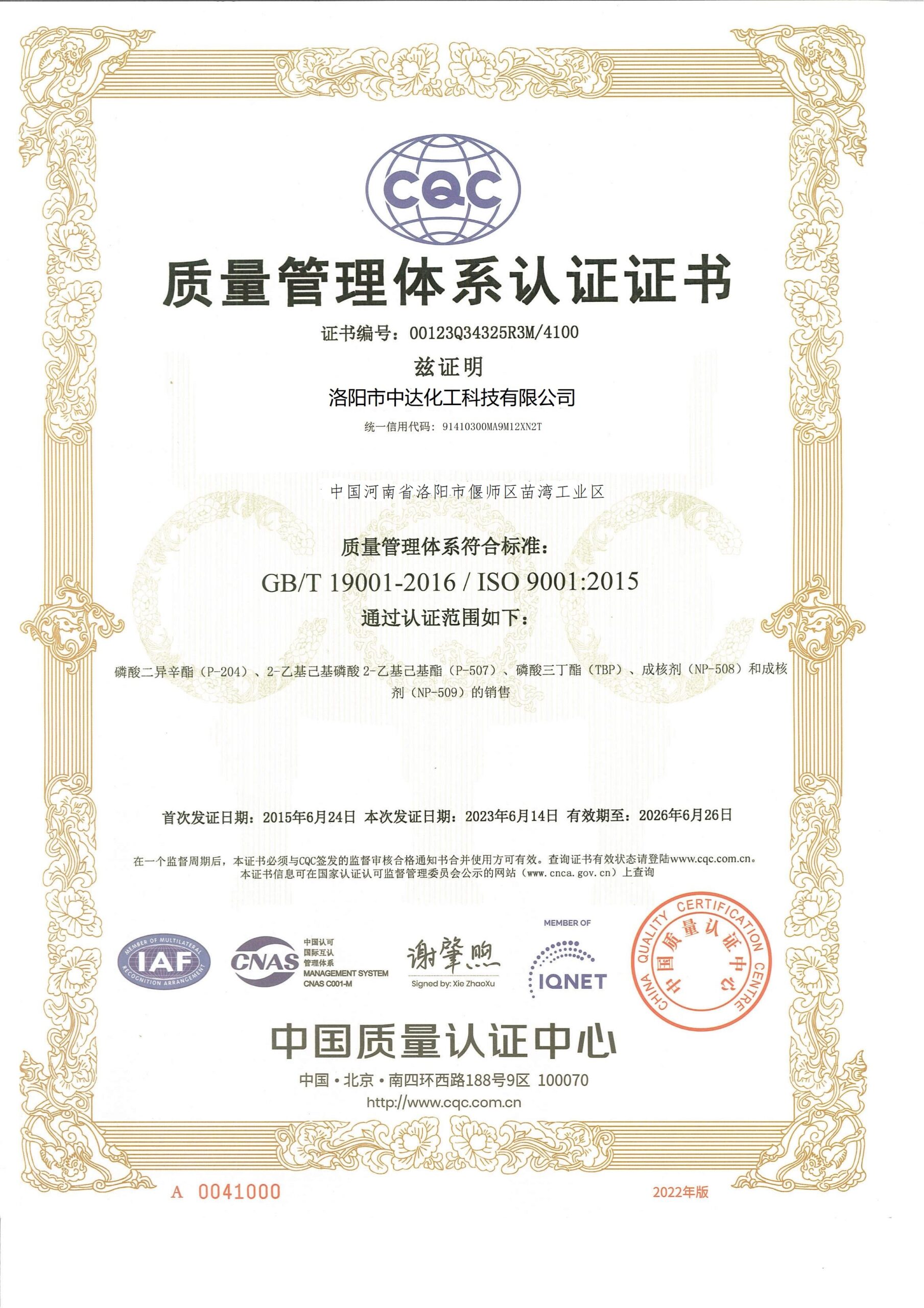
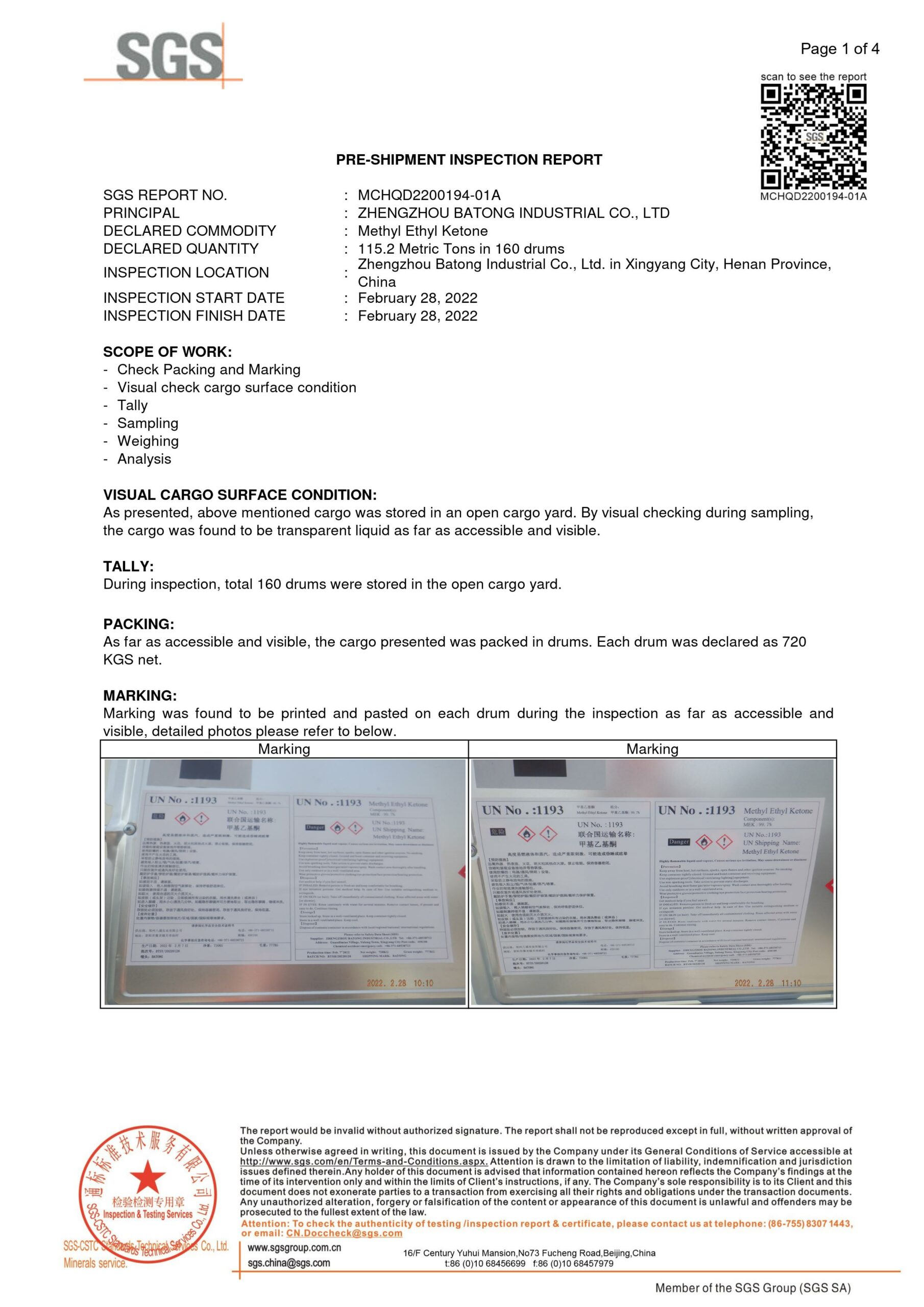

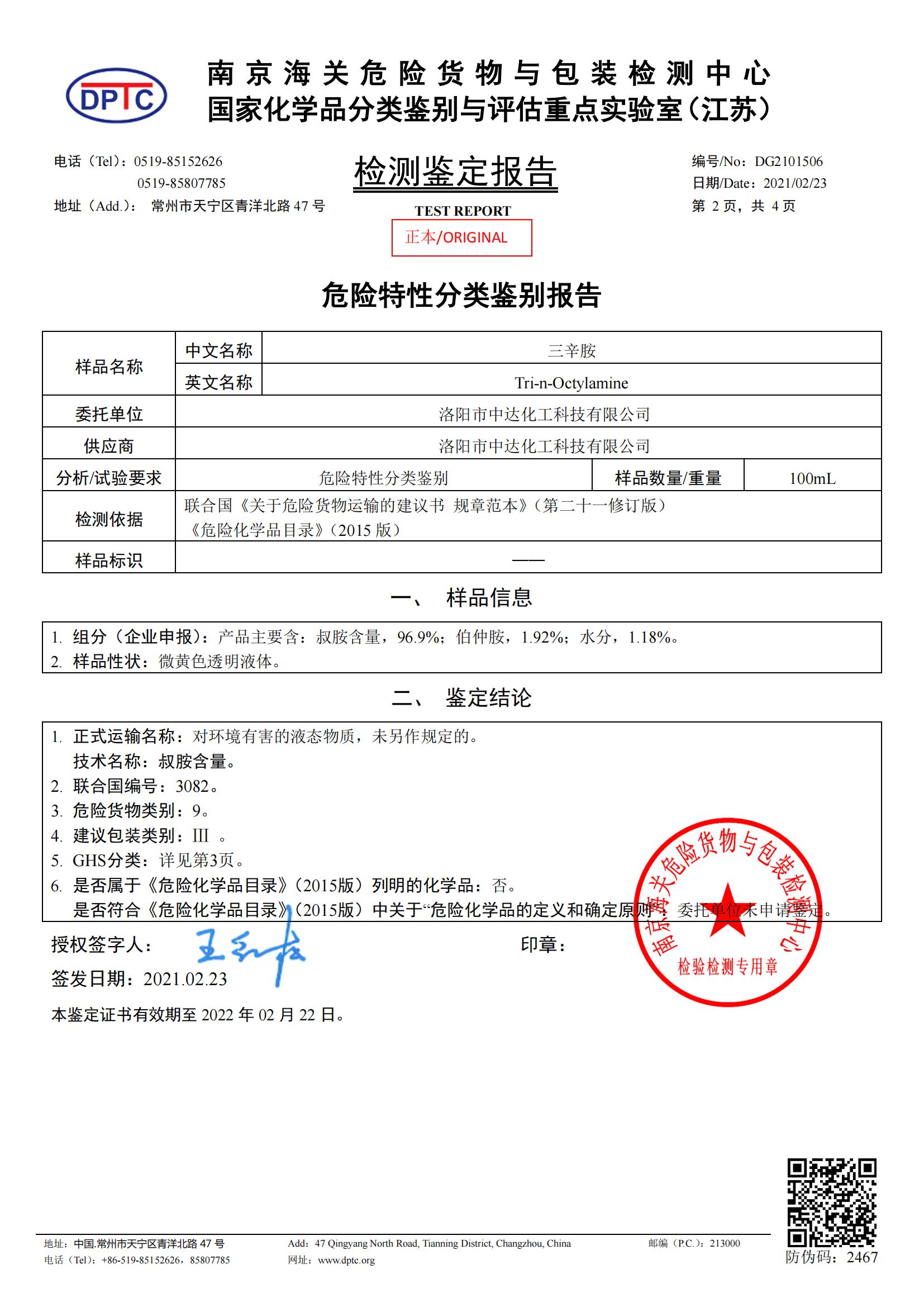
Packing & Delivery
Supply Ability
| MIT-IVYINDUSTRYCO.,LTD Athena whatapp/phone 008613805212761 email :ceo@mit-ivy.com welcome to vist our factory. sample is free MIT-IVYINDUSTRYCO.,LTD is located in the Chemical Industry Park,69 Guouang Road, Xuzhou City,Jiangsu Province.It mainly produces N- aniline products,including dye intermediates,rubber additives,oil additives and other products. Our company adheres to the principle of”win-win”,the coordinated development of economic benefits,environmental benefits and social benefits,the combination of production and scientific research,and constantly improves the process and launches new products to meet user needs |
|
| Dimethyamino ethoxyethanol (FENTACAT DMAEE, DMAEE, DABCO DMAEE) | 1704-62-7 |
| 1-Propanaminium-2-hydroxy-N,N,N-trimethylformate (FENTACAT M2, TMR-2) | 62314-25-4 |
| N,N-di(hydroxyethyl) tallowamine oxide | 61791-46-6 |
| N,N-Dimethyldecylamine N-oxide (OA-10) | 2605-79-0 |
| N,N-Dimethyloctylamine(DMA8) | 7378-99-6 |
| N,N-di(hydroxyethyl) dodecyl amine oxide (OAE-12) | 2530-44-1 |
| N,N-di(hydroxyethyl) cocoalkylamine oxide | 61791-47-7 |
| N-(3-dimethylaminopropyl)-N,N’diisopropanolamine (FENTACAT 11, DPA, PC11) | 63469-23-8 |
| 1,10-Decanediamine (DA102) | 646-25-3 |
| N’-(3-aminopropyl)propane-1,3-diamine (DPTA) | 56-18-8 |
| N,N-Dimethyldodecylamine N-Oxide (OA-12) | 1643-20-5 |
| N,N-dimethyltetradecylamine N-oxide (OA-14) | 3332-27-2 |
| N,N-Dimethyloctadecylamine Oxide (OA-18) | 2571-88-2 |
| N-(3-(Dimethylamino)propyl)coco amides-N-oxide (OA-CAPO) | 68155-09-9 |
| Di(hydrogenated tallowalkyl) methyl amines(MADHT) | 61788-63-4 |
| N-Methylcocoamine (MADCO) | 61788-62-3 |
| N,N-Dioctyl-1-octanamine (TA8) | 1116-76-3 |
| N,N-di(octadecan-9-yl)octadecan-9-amine (TA0810) | 68814-95-9 |